How I Stayed Active Without the Gym—And Why Social Sweat Sessions Changed Everything
You don’t need a fancy fitness tracker or a basement full of equipment to stay active. I used to think exercise meant lonely treadmill runs or intimidating weight rooms—until I discovered the power of moving with others. Turns out, working out with people isn’t just more fun; it actually boosts consistency, energy, and mood. This is how I turned everyday social moments into real movement—and how you can too, without even realizing you’re “exercising.”
The Hidden Problem: Why Solo Workouts Fail for Most People
For many, the idea of exercise still conjures images of early mornings alone on a treadmill, counting down minutes, or pushing through weight sessions with no one to share the effort. Despite good intentions, these routines often fall apart within weeks. Research from the American Society of Exercise Physiologists indicates that up to 50% of adults who start a new fitness program will drop out within the first six months. The reason isn’t laziness or lack of willpower—it’s isolation. When physical activity becomes a solitary chore, it’s easy to delay, skip, or dread it. The burden of motivation rests entirely on the individual, and over time, that pressure wears down even the most determined.
The fitness industry has long promoted a “discipline-only” mindset—wake up early, push harder, stay consistent no matter what. But this model ignores the emotional and psychological realities of daily life, especially for women managing households, careers, and family needs. The expectation to be self-driven at all times is not only unrealistic, it’s exhausting. When exercise is framed as something you must endure rather than enjoy, it becomes yet another item on an already overwhelming to-do list. The result? Guilt, burnout, and a growing disconnect from one’s body.
What’s often missing is human connection. Humans are social beings by nature. We thrive on interaction, encouragement, and shared experience. When we remove those elements from physical activity, we strip away one of the most powerful motivators: belonging. Studies show that people who engage in group-based activities are significantly more likely to stick with them over time. The presence of others doesn’t just make movement more enjoyable—it makes it sustainable. And for many, especially women over 30, that shift from solo struggle to shared effort can be life-changing.
The Science Behind Movement and Connection
There’s growing scientific evidence that physical activity is more effective—and more enjoyable—when done with others. A landmark study published in the Journal of Behavioral Medicine found that participants who exercised in groups reported lower levels of perceived exertion and higher levels of enjoyment compared to those who worked out alone, even when performing the same physical tasks. This isn’t just about distraction; it’s about biology. When we move with others, our brains release a cascade of neurochemicals that enhance both physical performance and emotional well-being.
One of the key players is oxytocin, often referred to as the “bonding hormone.” Released during positive social interactions, oxytocin reduces stress, increases feelings of trust, and promotes emotional resilience. When combined with physical activity, which naturally boosts endorphins—the body’s feel-good chemicals—the effect is multiplicative. Group exercise has been shown to elevate mood more effectively than solo workouts, with participants reporting reduced anxiety and improved self-esteem after just one session. These benefits are not limited to high-intensity classes; even gentle, low-impact activities like walking or stretching in a group setting can trigger these positive responses.
Another important factor is synchronization. When people move in rhythm together—whether dancing, walking, or doing simple exercises in unison—they experience a sense of cohesion and unity. This phenomenon, known as “interpersonal synchrony,” has been linked to increased cooperation, empathy, and social bonding. It’s why group fitness classes often feel more energizing than solo sessions, even if the physical demands are similar. The shared rhythm creates a subtle but powerful sense of connection that reinforces commitment. Over time, this makes it easier to return, not because of discipline, but because of the emotional rewards of being part of something meaningful.
Redefining Exercise: From Chores to Shared Experiences
For too long, exercise has been narrowly defined as structured, goal-oriented activity—something you do at a gym, with a plan, for a set amount of time. But this definition excludes a vast range of natural, joyful movements that can be just as beneficial. The truth is, physical activity doesn’t have to look like a workout to count. A 30-minute walk with a friend, a dance session in the kitchen while dinner cooks, or a playful game with children all contribute to overall movement and well-being. The key is to shift the mindset from “I have to exercise” to “I get to move with people I care about.”
This redefinition is especially powerful for those who’ve felt alienated by traditional fitness culture. Gyms can feel intimidating, especially for beginners or those returning after a long break. The focus on performance, appearance, and metrics can make people feel judged or inadequate. But when movement is framed as connection, the pressure to perform disappears. Instead, the focus shifts to presence, enjoyment, and shared experience. You’re not there to burn a certain number of calories—you’re there to laugh, talk, and feel good in your body.
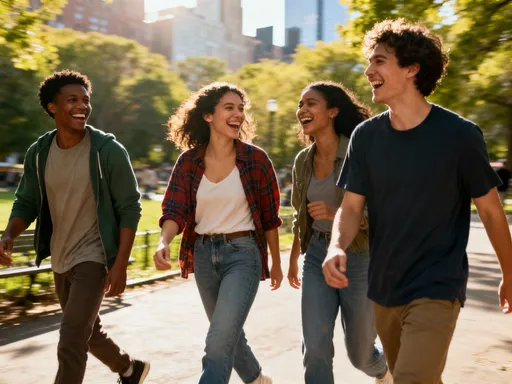
Real-life examples of this shift are everywhere. Some women meet weekly for “walk-and-talk” sessions instead of coffee dates. Others host monthly dance nights at home, turning music and movement into a social ritual. Families replace passive weekend TV time with bike rides or nature hikes. These activities aren’t marketed as fitness programs, but they deliver real health benefits—improved cardiovascular function, stronger muscles, better balance, and enhanced mental clarity. By blending movement into the fabric of daily life, they become habits that last, not chores to endure.
How to Turn Everyday Hangouts into Active Opportunities
Transforming social time into active time doesn’t require grand plans or special equipment. It starts with small, intentional choices. Instead of meeting a friend for coffee, suggest a walk in the park. Instead of sitting in the living room after dinner, invite family members to join a 10-minute stretching routine. These shifts may seem minor, but over time, they add up to significant increases in daily movement. The Centers for Disease Control and Prevention recommends at least 150 minutes of moderate-intensity aerobic activity per week for adults, and integrating movement into social routines is one of the most sustainable ways to meet that goal.
One effective strategy is to choose gathering spots that naturally encourage movement. Rather than meeting at a café, pick a location with walking paths, like a botanical garden, lakeside trail, or historic neighborhood. If indoor options are needed, consider a community center with a walking track or a mall during early hours. The environment sets the tone—when movement is the default, it becomes easier to engage. Even shopping trips can be made more active by parking farther away, taking the stairs, or walking the entire mall instead of sitting between stores.
Inviting others into these habits requires gentle, low-pressure communication. Instead of saying, “We should start working out together,” try, “I’ve been enjoying walks in the mornings—would you like to join me sometime?” or “I found this fun online dance video—want to try it together over Zoom?” The goal is to make participation feel optional, enjoyable, and social, not like an obligation. When people feel invited rather than pressured, they’re more likely to say yes—and to keep showing up.
Building Your Own “Sweat Circle”: Real-Life Examples That Work
Creating a consistent social movement practice starts with identifying people and routines that already exist in your life. One woman in Ohio started a “Tuesday Walk Club” with four neighbors, meeting every week regardless of weather—rain or shine, they walk for 45 minutes and chat about everything from recipes to parenting challenges. Another group of working mothers in Oregon swaps childcare every Friday so each can attend a group fitness class without stress. A family in Minnesota makes Sunday afternoons “Adventure Time,” where they try a new outdoor activity each week—kayaking, geocaching, snowshoeing—turning physical activity into shared discovery.
These examples work because they prioritize connection over intensity. No one is keeping score or pushing for personal bests. The focus is on showing up, moving together, and enjoying each other’s company. This inclusivity is key—when people of different fitness levels can participate without judgment, the group becomes stronger and more resilient. For those with mobility limitations or chronic conditions, activities can be adapted: seated dancing, gentle yoga, or even gardening together can provide meaningful movement.
Maintaining momentum requires flexibility and shared ownership. Rotating leadership, using group texts for reminders, and celebrating small milestones—like completing 50 walks or trying 10 new activities—help sustain engagement. It’s also important to accommodate busy schedules. Not everyone can commit to weekly meetups, and that’s okay. Some groups use “drop-in” models, where participation is welcome but not required. Others schedule seasonal events, like a spring hike or fall festival walk, to keep the connection alive without daily pressure. The goal isn’t perfection—it’s consistency through connection.
Tools and Mindset Shifts for Sustainable Social Movement
Sustaining a social movement practice requires more than good intentions—it requires practical support and a shift in mindset. One of the most helpful changes is to focus on presence over performance. Instead of tracking steps or calories, pay attention to how you feel during and after the activity. Did you laugh? Did you connect? Did you feel more energized? These qualitative measures are often more meaningful than numbers on a screen. When the goal is enjoyment and connection, there’s no such thing as a “bad” session.
Technology can support these efforts without taking over. Simple tools like shared calendar apps help coordinate group meetups. Reminder apps can gently nudge participants before scheduled walks or classes. Some groups use private messaging platforms to share photos, motivation, or weather updates. But it’s important not to over-organize. The charm of social movement lies in its spontaneity and warmth. Over-planning can turn a joyful habit into another task. The best routines are light, adaptable, and human-centered—designed to fit into real life, not disrupt it.
Another crucial mindset shift is to let go of all-or-nothing thinking. Missing a week doesn’t mean failure. Rainy weather doesn’t cancel connection. Indoor alternatives—like stretching while watching a show or dancing in the kitchen—keep the habit alive. The goal is to build a lifestyle where movement and connection are naturally intertwined, not something that only happens under perfect conditions. When the focus is on showing up as you are, the pressure fades, and the joy returns.
Long-Term Benefits: More Than Just Fitness
The rewards of social movement extend far beyond physical health. Over time, women who engage in regular group-based activity report better sleep, improved mood, and greater resilience in the face of daily stress. The combination of physical exertion and emotional connection creates a powerful buffer against anxiety and fatigue. Unlike solo workouts, which can feel isolating, social movement nurtures both body and mind. It’s not just about living longer—it’s about living better.
Relationships deepen when shared experiences are built into routine. Conversations flow more easily when walking side by side, rather than face to face. The rhythm of movement can ease tension and open space for honest dialogue. Many women report that their “walk-and-talk” sessions have become their most meaningful form of connection—more revealing and supportive than traditional social gatherings. In a world where loneliness is increasingly recognized as a public health issue, these moments of shared movement offer a simple, powerful antidote.
And perhaps most importantly, social movement teaches self-compassion. When exercise is no longer about punishment or perfection, but about presence and connection, it becomes an act of self-care rather than self-criticism. You’re not moving to fix yourself—you’re moving to celebrate your body, your relationships, and your life. Health, in this model, isn’t a destination. It’s a practice. It’s showing up, again and again, not because you have to, but because you’re not alone. And that makes all the difference.