You’ve Never Seen Korea Like This—Daegu’s Wild Side Will Blow Your Mind
Think Daegu is just concrete and city life? Think again. Tucked behind its modern skyline are jaw-dropping natural escapes—lush valleys, serene rivers, and mountain trails with panoramic views that’ll make you hit *pause* on life. I went in for the food, stayed for the forests, and left with a full camera roll. If you're chasing that perfect blend of wild beauty and urban ease, Daegu’s green heart is low-key one of Korea’s best-kept secrets.
Why Daegu’s Natural Side Stands Out
Often overlooked in favor of Seoul’s buzz or Busan’s beaches, Daegu quietly holds its own as a city where nature isn’t an afterthought—it’s a central character. Nestled in the southeast of South Korea, Daegu is encircled by mountains and threaded through with rivers, giving it a unique geographical advantage. Unlike many urban centers that expand at the cost of green space, Daegu has managed to balance growth with preservation. The Nakdong River, Korea’s longest, curves around the city like a natural embrace, offering continuous riverside trails and protected wetlands. Just beyond the urban sprawl, Palgongsan and Muryongsan mountains rise with quiet dignity, their forested slopes accessible within a 30-minute drive from downtown.
This proximity is what makes Daegu’s natural offerings so compelling. You don’t need to plan a full-day excursion or book a mountain lodge to experience wilderness. Families can picnic by lotus ponds in the morning and be back in the city for dinner. Office workers escape for midday walks along tree-lined riverbanks. Even school groups regularly visit Dalseong Park for outdoor education, where children learn about native plants and migratory birds. The city’s commitment to green infrastructure is evident in its extensive network of eco-paths, bicycle lanes, and restored wetlands—all designed to make nature not just available, but inviting.
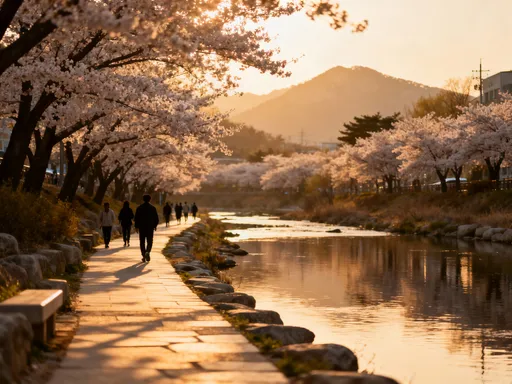
What sets Daegu apart is not just the presence of nature, but how seamlessly it’s woven into daily life. While other cities treat parks as decorative afterthoughts, Daegu treats them as vital public spaces. This integration fosters a culture of outdoor appreciation, where hiking, birdwatching, and seasonal flower viewing are part of the local rhythm. Whether it’s cherry blossoms in spring or golden ginkgo trees in fall, the city transforms without losing its urban functionality. For travelers, this means experiencing Korea’s natural beauty without sacrificing comfort or convenience.
Palgongsan: Where Hiking Meets Heritage
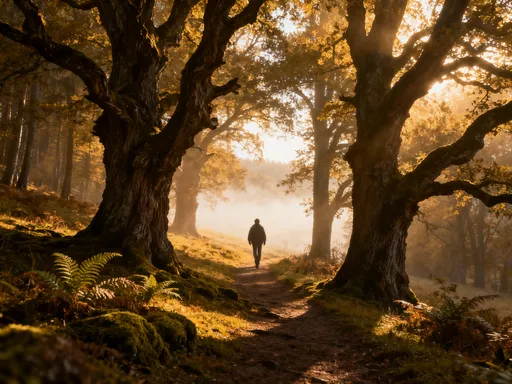
Rising to 1,192 meters, Palgongsan Mountain is Daegu’s most iconic natural landmark and a favorite among locals and visitors alike. But it’s not just the elevation that draws people in—it’s the mountain’s ability to offer something for every kind of traveler. From gentle forest walks to steep, rocky ascents, the trail system caters to all fitness levels. The most popular route begins near Donghwasa Temple, a serene Buddhist complex tucked into the mountain’s eastern slope. The path winds through towering pines and moss-covered stones, with wooden bridges crossing clear mountain streams. Along the way, hikers pass ancient stone pagodas and quiet meditation halls, where the sound of chanting blends with birdsong.
One of the most breathtaking sections of the hike is the suspension bridge near the upper trails. Suspended over a deep valley, it offers a heart-pounding view of the forest canopy below and the distant city skyline. On clear days, the panorama stretches for miles, with layers of blue-green ridges fading into the horizon. For those seeking a more challenging climb, the route to Birobong Peak delivers rugged terrain and rewarding vistas. The entire hike from Donghwasa to the summit takes about 3 to 4 hours, depending on pace, and is well-marked with signposts in Korean and English.
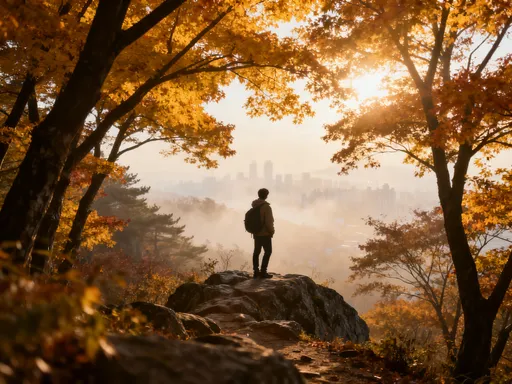
Palgongsan is a year-round destination, each season painting the mountain in a new light. In spring, cherry and azalea blossoms bloom along the lower trails, drawing crowds for quiet contemplation and photography. Summer brings dense foliage and cool breezes, making it a refuge from the city’s heat. Autumn is perhaps the most spectacular, as the hills ignite with crimson, gold, and burnt orange maple leaves. Winter, though quieter, offers a serene beauty—frosted branches, misty mornings, and the occasional dusting of snow that transforms the trails into a quiet, monochrome dreamscape.
The Daegu Chimac Festival & Nature’s Backdrop
Every summer, the Geumho River transforms into a vibrant stage for the Daegu Chimac Festival—one of the city’s most beloved cultural events. “Chimaek,” a portmanteau of *chicken* and *maekju* (beer), is more than just a meal in Korea; it’s a social ritual, a way to unwind and connect. The festival takes this tradition and amplifies it against the open sky and flowing water of the riverfront. Long rows of food stalls serve crispy fried chicken in sweet, spicy, and soy garlic glazes, while locals and tourists gather on picnic mats, sharing platters and cold bottles under strings of glowing paper lanterns.
But what makes the festival truly special is its setting. Unlike indoor or stadium-based events, the Chimac Festival embraces the natural environment. The Geumho River reflects the colorful lights, and a gentle breeze carries the scent of grilled food and river grass. Live music echoes across the water, and families fly LED kites after dark, their trails of light weaving through the night sky. The festival grounds are designed to keep sightlines open, ensuring that no matter where you sit, you’re never far from the river’s edge or the silhouette of the mountains in the distance.
This intentional blending of culture and nature reflects a deeper philosophy in Daegu: that celebration doesn’t have to mean concrete and noise. Here, festivity is tied to the rhythms of the outdoors. The festival also promotes sustainability, with reusable cup systems and waste sorting stations clearly marked. It’s a reminder that joy and responsibility can coexist. For visitors, the Chimac Festival offers more than just great food—it’s a full sensory experience, where taste, sound, and scenery come together in a way that feels both festive and grounded.
Dalseong Park: Urban Escape Done Right
If Palgongsan represents Daegu’s wilder side, Dalseong Park is its peaceful counterpart—a thoughtfully designed green space that balances recreation, ecology, and beauty. Stretching along the northern bank of the Nakdong River, the park spans over 2 million square meters, making it one of the largest in the region. Its wide, paved paths are perfect for jogging, cycling, or leisurely strolls, while shaded benches and pavilions invite visitors to sit and watch the river flow. In spring, the park bursts into color with fields of yellow canola flowers, drawing photographers and families for picnics under the sun.
One of the park’s most enchanting features is its lotus pond. During summer, hundreds of lotus blossoms float on the water’s surface, their pink and white petals opening at dawn and closing by midday. The pond is surrounded by wooden walkways, allowing close-up views without disturbing the ecosystem. Birdwatchers often gather here, spotting kingfishers, herons, and even the occasional migratory duck. The park’s design includes native plant zones and small wetlands that support biodiversity, proving that urban parks can be both beautiful and ecologically responsible.
Dalseong Park is also a hub of local life. On weekends, you’ll see elderly couples practicing tai chi, children flying traditional kites, and young adults doing yoga on the grass. The park hosts seasonal events like lantern festivals and outdoor concerts, always designed to complement, not overwhelm, the natural setting. What makes it authentic is that it’s not just a tourist attraction—it’s where Daegu residents come to recharge. For visitors, spending a morning or afternoon here offers a rare glimpse into the quieter, more reflective side of Korean urban life.
Hidden Gems: Off-the-Beaten-Path Nature Spots
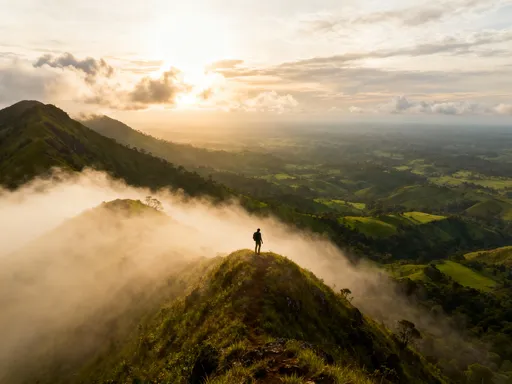
Beyond the well-trodden trails of Palgongsan and the popularity of Dalseong Park, Daegu holds quieter treasures for those willing to explore. Gujibong Peak, part of the lesser-known Muryongsan range, is one such gem. Accessible via a short hike from a local bus stop, the trail is less developed, with natural stone steps and minimal signage, giving it a sense of adventure. The climb is moderate, taking about 45 minutes, but the reward is a sweeping 360-degree view of Daegu’s cityscape framed by rolling mountains. At sunrise, the valley fills with mist, and the first light paints the rooftops in soft gold.
Another hidden spot is the upper reaches of the Palgongsan trail near Gyesan Temple. While most hikers turn back after visiting Donghwasa, those who continue are greeted with near-solitude. The path narrows, the forest deepens, and the only sounds are wind and distant temple bells. It’s an ideal place for quiet reflection or photography without crowds. For families with young children, the small waterfall and natural rock pools along this route make for a delightful detour.
These off-the-beaten-path locations require a bit more planning, but they’re worth the effort. Public buses serve most trailheads, and ride-sharing apps make taxi drop-offs affordable. The best times to visit are early morning or on weekdays, when foot traffic is lowest. Packing essentials include water, light snacks, comfortable shoes, and a small first-aid kit. A lightweight rain jacket is also wise, as mountain weather can change quickly. For those seeking not just scenery but solitude, these spots offer a deeper, more personal connection to Daegu’s natural soul.
How to Capture the Perfect Shot: Photo Tips in Natural Settings
Daegu’s landscapes are inherently photogenic, but knowing how to capture them can elevate your experience from casual snaps to lasting memories. The golden hour—shortly after sunrise and before sunset—is your best ally. At this time, the light is soft and warm, casting long shadows and enhancing textures in the forest and river scenes. On Palgongsan, the early morning fog often lingers in the valleys, creating a dreamlike atmosphere perfect for moody, atmospheric shots.
Reflections are another powerful tool. The still waters of Dalseong Park’s lotus pond or the Geumho River at dusk offer mirror-like surfaces that double the visual impact of your composition. Try shooting from a low angle to capture both the subject and its reflection. Smartphones can excel here—using portrait mode to blur the background foliage adds depth, while manual focus lets you highlight a single flower or droplet.
Don’t overlook the storytelling potential of small details. A weathered bench under a ginkgo tree, footprints on a misty trail, or a paper lantern floating on the river can convey emotion and narrative more powerfully than wide panoramas. Avoid unsafe poses, especially near cliff edges or unstable rocks—no photo is worth the risk. Instead, focus on authenticity: capture real moments, real light, real stillness. Your images will not only look beautiful but feel meaningful.
Sustainable Travel: Respecting Daegu’s Green Spaces
As Daegu’s natural attractions grow in popularity, the responsibility to protect them grows with it. Sustainable travel isn’t just a trend—it’s a necessity. The city has implemented thoughtful measures to preserve its green spaces, from clearly marked trails that prevent soil erosion to regular community clean-up campaigns. Visitors play a crucial role in this effort. Simple actions like carrying out all trash, using designated bins, and avoiding single-use plastics make a tangible difference.
Staying on marked paths protects delicate plant life and prevents landslides on steep slopes. Picking flowers or disturbing wildlife may seem harmless, but repeated small actions can degrade ecosystems over time. Many trails now feature educational signs in Korean and English, explaining the importance of local species and conservation efforts. Some areas, like the upper trails of Palgongsan, are designated as eco-zones where group sizes are limited and flash photography near wildlife is discouraged.
Responsible travel also means being mindful of noise and space. While it’s tempting to play music or shout for attention-grabbing videos, quiet enjoyment allows others to experience nature’s peace. Sharing the trails with locals who come for meditation or solitude requires a respectful attitude. Ultimately, the goal is to leave no trace—so that future visitors, including the children flying kites in Dalseong Park today, can enjoy the same beauty tomorrow.
Daegu’s natural areas offer more than pretty backdrops—they’re living spaces where city energy meets mountain peace. From misty peaks to riverfront festivals, every corner invites connection, reflection, and that one *unforgettable* shot. It’s proof that even in a modern Korean city, nature isn’t sidelined—it’s celebrated. So next time you plan a trip, skip the obvious. Come see Daegu’s wild side. You won’t regret it.