You Won’t Believe What I Shot at Johannesburg’s Hottest Shopping Spots
Johannesburg is more than just a city—it’s a visual story waiting to be captured. I went there chasing light, color, and real moments, and ended up falling in love with its shopping spaces. From bustling markets to sleek malls, every corner offered a unique frame. If you’re into photography and love uncovering urban energy, this city will blow your lens wide open. The rhythm of foot traffic, the glow of afternoon sun on polished floors, the textures of handwoven baskets and steaming street food—these are the details that define Joburg’s soul. What began as a simple photo walk turned into a deeper exploration of how commerce, culture, and creativity intersect in South Africa’s economic heart. This is not just a guide to great shots—it’s an invitation to see the city through a photographer’s eyes.
Why Johannesburg? The City That Photographers Overlook
Johannesburg has long been misunderstood. Often dismissed as a transit stop or a business hub, it’s rarely celebrated as a destination for visual storytelling. Yet beneath its dynamic skyline and sprawling neighborhoods lies a city pulsing with contrasts—modernity and tradition, formality and spontaneity, quiet corners and vibrant crowds. These dualities are not hidden; they are on full display, especially in its shopping environments. Unlike more polished global cities where retail experiences are standardized, Joburg’s commercial spaces reflect the city’s layered identity, shaped by decades of cultural fusion, innovation, and resilience.
Shopping venues in Johannesburg are more than places to buy goods—they are microcosms of daily life. They reveal how people interact, how communities gather, and how style evolves. From the curated boutiques of Sandton to the grassroots energy of weekend markets, each location tells a different chapter of the city’s story. For photographers, this means endless opportunities to capture authenticity. There’s no need to stage scenes when real life unfolds so vividly in plain sight. The city rewards those who slow down, observe, and look beyond the surface.
My own journey into Joburg’s shopping culture began with curiosity. As a travel photographer, I’ve learned that the most telling images often come from unexpected places—places not listed in guidebooks, not crowded with influencers. I wanted to move beyond postcard views and explore spaces where locals spend their time. Shopping centers, markets, and retail districts became my entry point. What I discovered was a city that embraces both luxury and rawness, where elegance coexists with grit, and where every storefront, kiosk, and open-air stall offers a potential frame.
Sandton City: Where Luxury Meets Light
Sandton City stands as a symbol of Johannesburg’s economic ambition and architectural sophistication. As one of Africa’s largest and most upscale shopping complexes, it draws a cosmopolitan crowd and houses global brands, high-end restaurants, and sleek office towers. But beyond its reputation for affluence, Sandton City offers compelling opportunities for photography—particularly for those interested in light, reflection, and urban elegance. The interior spaces are designed with natural illumination in mind, featuring expansive glass ceilings and open atriums that flood the concourses with soft, diffused daylight.
The best time to shoot here is between 10 a.m. and 2 p.m., when sunlight filters through the upper levels, casting delicate shadows and highlighting textures—polished marble floors, metallic storefronts, and the subtle sheen of designer handbags. This is also when foot traffic is steady but not overwhelming, allowing for candid shots of shoppers, couples, and professionals on lunch breaks. Capturing reflections in glass facades or mirrored columns can add depth and dimension to your images, transforming ordinary scenes into abstract compositions.
One challenge photographers may face is discretion. In a space associated with wealth and security, overt photography can attract attention. The key is to blend in—dress casually but neatly, use a compact camera or a small mirrorless setup, and avoid long pauses in one spot. Shooting from slightly elevated walkways or mezzanine levels can provide broader perspectives without intruding on personal space. Focus on details: a hand adjusting sunglasses, a shoe catching the light, a coffee cup on a café table. These small moments, when framed thoughtfully, convey the mood of the place without requiring posed subjects.
Don’t overlook the exterior at golden hour. As the sun dips behind the high-rises, the glass towers of Sandton glow amber, and the streets come alive with movement. A wide-angle lens can capture the convergence of architecture, light, and people, creating powerful urban narratives. Sandton City may represent luxury, but it also reflects Johannesburg’s forward-looking spirit—a city that values both beauty and progress.
Rosebank Mall: Art, Culture, and Subtle Contrasts
If Sandton City embodies modern opulence, Rosebank Mall offers a more curated, culturally infused experience. Located in one of Johannesburg’s most diverse and creative neighborhoods, the mall seamlessly integrates retail with art, making it a prime destination for photographers seeking depth and texture. What sets Rosebank apart is its commitment to public art—sculptures, installations, and rotating exhibitions are embedded throughout the complex, turning shopping into an aesthetic journey. From the iconic Fire Walker sculpture by William Kentridge to temporary displays in the central courtyard, art is not an afterthought but a central feature.
Photographing at Rosebank means engaging with the interplay between people and art. A child touching a bronze figure, a couple pausing before a vibrant mural, or a passerby framed against a kinetic sculpture—these are the kinds of moments that tell richer stories. The lighting here is more variable than in Sandton, with shaded walkways and open-air sections creating contrast and mood. Overcast days can actually enhance the atmosphere, softening harsh highlights and emphasizing color and form.
One of the most photogenic areas is the upper-level walkway overlooking the central piazza. From this vantage point, you can capture layered compositions—art below, people moving through the space, and the sky above. Use a mid-range lens (35mm or 50mm) to maintain intimacy while including environmental context. The mall’s mix of indoor and outdoor spaces also allows for creative transitions—shooting through glass, capturing reflections, or using architectural lines to guide the viewer’s eye.
For photographers interested in subtle contrasts, Rosebank delivers. The presence of high-end brands like Woolworths and international fashion labels coexists with local art and independent pop-up vendors. This blend of global and local, commercial and cultural, creates visual tension that is both dynamic and thought-provoking. Look for moments where these worlds intersect—such as a street performer near a luxury boutique or a handcrafted item displayed beside a designer product. These juxtapositions are not accidental; they reflect Johannesburg’s evolving identity as a city that values both heritage and innovation.
Neighbourgoods Market: Raw Energy and Textured Frames
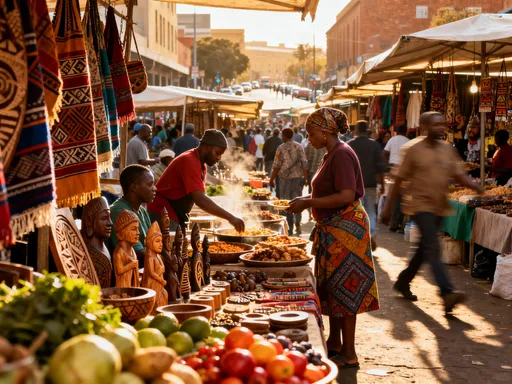
No visit to Johannesburg is complete without experiencing the Neighbourgoods Market at Mary Fitzgerald Square in Braamfontein. Open every Saturday, this vibrant weekend market is a feast for the senses and a paradise for photographers. Unlike traditional malls, Neighbourgoods thrives on spontaneity, noise, and movement. The air is thick with the scent of grilled meat, spices, and freshly baked bread. Musicians play in corners, dogs weave through the crowd, and friends gather at long wooden tables under string lights. It’s not a place to find quiet—it’s a place to embrace chaos with intention.
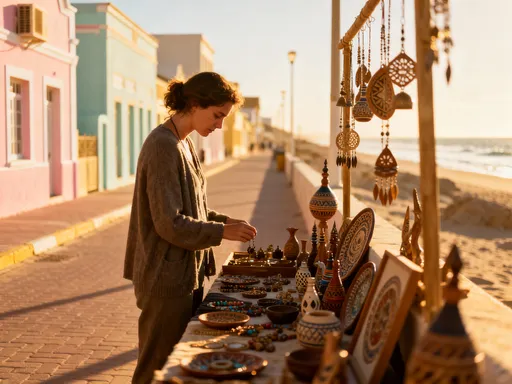
For photographers, the challenge lies in capturing motion without losing clarity. The market is crowded, fast-paced, and constantly changing. A prime lens—especially a 35mm or 50mm—works best here, allowing for quick focus and excellent low-light performance. Avoid zoom lenses that require frequent adjustment. Instead, move with the flow, anticipate moments, and shoot in bursts when necessary. Look for textures: the char on a piece of braaied meat, the weave of a handmade basket, the steam rising from a coffee cup. These details ground your images in authenticity.
Candid portraits are abundant, but they require sensitivity. Always make eye contact, smile, and ask for permission when photographing individuals up close—especially vendors who are working. Many are happy to be photographed, particularly if you show genuine interest in their craft. A simple gesture—buying a snack, complimenting their display—can open doors and lead to more natural, expressive shots. Avoid exploitative framing; the goal is not to capture poverty or exoticism, but to document energy, pride, and community.
The lighting shifts throughout the day. Early morning brings soft, even light, ideal for wide shots of the market layout. By midday, the sun is high and harsh, creating strong contrasts—use this to your advantage by embracing shadows and silhouettes. Late afternoon and early evening are magical, as string lights and lanterns begin to glow, and the crowd settles into a relaxed rhythm. This is when the market feels most alive, and when your images can carry both warmth and atmosphere.
Design Quarter: A Hidden Gem for Visual Storytelling
Tucked within Braamfontein’s urban fabric, the Design Quarter is a lesser-known but deeply rewarding destination for photographers. More than a shopping area, it’s a creative village—a collection of repurposed industrial buildings housing design studios, craft shops, cafés, and exhibition spaces. The architecture itself tells a story: red-brick facades, exposed steel beams, and large warehouse windows create a raw, industrial aesthetic that contrasts beautifully with the colorful displays inside. This is a place where form meets function, and where every detail—from door handles to signage—feels intentional.
What makes the Design Quarter special is its walkability and human scale. Unlike sprawling malls, it invites slow exploration. You can wander from a ceramics studio to a sustainable fashion boutique, then pause at a coffee bar with a view of a mural-covered courtyard. Each space offers photographic potential: the texture of handmade paper, the precision of a tailor’s tools, the play of light through a stained-glass window. Because foot traffic is lighter than at larger venues, you have more time to compose shots and experiment with angles.
The area is also rich in street art. Murals range from abstract patterns to figurative works celebrating South African identity. These backdrops are ideal for environmental portraits or detail shots that incorporate color and symbolism. Early mornings are best for photography, as the light streams through the narrow lanes, highlighting textures and casting long shadows. Use a tripod for low-light interior shots, and don’t hesitate to ask shop owners if you can photograph their displays—many are proud of their spaces and happy to collaborate.
The Design Quarter embodies a growing movement in Johannesburg: the reimagining of urban space as a platform for creativity and community. It’s not about mass consumption; it’s about connection, craftsmanship, and authenticity. For photographers, this means fewer distractions and more meaningful content. Every frame here feels deliberate, every subject worthy of attention. It’s a reminder that the most compelling stories are often found in the quietest corners.
Market on Main & Arts on Main: Culture in Full Frame
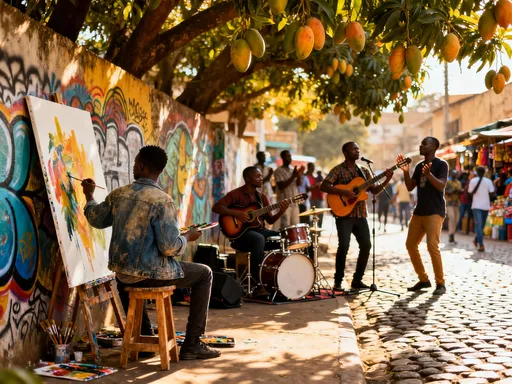
Every Sunday, the Main Street Life complex in Maboneng comes alive with the Market on Main and Arts on Main—a weekly celebration of food, craft, and performance. More than a shopping experience, it’s a cultural event that draws locals and visitors alike. The atmosphere is festive yet grounded, with a strong sense of community. Stalls sell everything from organic produce to hand-printed textiles, while musicians, dancers, and spoken-word artists perform on open-air stages. It’s a place where commerce and culture are inseparable, and where every interaction has the potential to become a photograph.
For photographers, this is an ideal setting for storytelling sequences. Instead of single shots, think in series: a vendor arranging spices, then serving a customer, then laughing with a neighbor. These sequences create narrative depth and convey the rhythm of the market. Use a fast shutter speed to freeze motion during performances, and switch to wider apertures for intimate portraits. The mix of natural and artificial light—sunlight, shade, string lights—adds complexity, so monitor your exposure carefully.
One of the most powerful aspects of Market on Main is its authenticity. There’s no forced tourism or staged displays. People are here to shop, eat, and connect. This means your photographs will feel real, not performative. Focus on gestures—the way a hand passes money, how a child reaches for a treat, the concentration on a potter’s face. These small actions carry emotional weight and resonate with viewers.
As with any public space, ethical photography is essential. Always be mindful of privacy. Avoid photographing children without parental consent, and refrain from intrusive close-ups of individuals who appear uncomfortable. When in doubt, ask. Most people respond positively to respect and politeness. A simple “May I take your photo?” followed by a smile can make all the difference. Remember, your goal is not just to take pictures, but to honor the people and culture you’re documenting.
Practical Photography Tips for Shooting in Joburg’s Shopping Spaces
Photographing in Johannesburg’s shopping environments requires more than technical skill—it demands awareness, preparation, and respect. Safety is a primary concern, especially in crowded or unfamiliar areas. Keep your gear secure: use a crossbody bag or a camera strap with an anti-theft lock. Avoid displaying expensive equipment unnecessarily, and never leave your bag unattended. Stay alert to your surroundings, and trust your instincts—if a space feels unsafe, move on.
Malls and private properties often have photography policies. While casual, non-commercial photography is usually permitted, some venues may restrict tripods, drones, or professional setups. When in doubt, ask security or management for permission. A polite approach goes a long way—explain that you’re a visitor capturing the city’s culture, not conducting a commercial shoot. Most staff will be accommodating if you show respect for the space.
Timing is another critical factor. Weekday mornings are generally quieter, offering cleaner compositions and better light. Weekends bring energy and activity, but also crowds and logistical challenges. If you’re shooting markets, arrive early to scout locations and set up before peak hours. Use apps like Google Maps to plan routes, check opening times, and identify parking or public transport options. Offline maps are useful in areas with spotty connectivity.
For gear, prioritize versatility and mobility. A mirrorless camera with a 24-70mm lens covers most scenarios, while a 35mm prime is ideal for street-style shots. Bring extra batteries and memory cards—markets often lack charging stations. A lightweight tripod can help with low-light shots, but be mindful of space and foot traffic. Finally, edit with intention. Johannesburg’s colors are bold—deep reds, bright yellows, rich browns—so adjust white balance and contrast to reflect the true mood of the scene.
Conclusion: Beyond the Purchase – Capturing the Soul of a City
Johannesburg’s shopping spaces are more than places to spend money—they are stages where culture, identity, and daily life unfold. From the polished elegance of Sandton City to the grassroots energy of Neighbourgoods Market, each venue offers a unique lens into the city’s character. As photographers, our role is not just to document what we see, but to interpret it with care, curiosity, and respect. The best images are not the most technically perfect, but the ones that carry feeling—the warmth of a smile, the pride in a craftsperson’s hands, the quiet moment between strangers.
This city challenges us to look deeper. It asks us to move beyond stereotypes and discover the humanity in everyday spaces. Shopping malls, markets, and retail districts are not neutral backdrops—they are living, breathing parts of urban life. When we photograph them with intention, we do more than create art; we preserve stories. We honor the people who build, maintain, and inhabit these spaces. We contribute to a visual archive of a city in motion.
So pick up your camera, step into the light, and let Johannesburg surprise you. Let the textures, colors, and rhythms guide your lens. You don’t need a grand plan—just an open mind and a willingness to connect. Because in the end, the most powerful photographs are not about what we see, but about what we feel. Johannesburg isn’t just worth visiting. It’s worth framing.