You Won’t Believe What I Found in Helsinki — Hidden Gems Only Locals Know
Helsinki isn’t just about design hotels and saunas — I was blown away by its niche specialty products hiding in plain sight. From handcrafted ceramics to reindeer leather goods, the city’s creative soul shines through its unique crafts. I stumbled upon markets and ateliers that most tourists miss, where tradition meets modern Nordic flair. This is not your average travel guide — it’s a real look at the authentic, lesser-known side of Finnish craftsmanship you’ve got to experience.
Why Helsinki’s Specialty Products Stand Out
Finnish craftsmanship carries a quiet strength, shaped by centuries of living in harmony with nature. In Helsinki, this heritage is not preserved behind glass — it’s alive in the city’s studios, markets, and homes. What sets Helsinki’s specialty products apart is not just their beauty, but their philosophy: every item is designed with purpose. Minimalism isn’t a trend here; it’s a way of life. Form follows function, and excess is quietly rejected in favor of clean lines, natural textures, and enduring quality.
The materials speak of Finland’s forests, lakes, and long winters. Birch wood, sustainably harvested, becomes elegant serving trays and delicate spoons. Wool from Finnish sheep, known for its warmth and resilience, is spun into cozy mittens and throws. Even fish leather — made from salmon and perch — is transformed into sleek wallets and watchbands, a testament to the Finnish principle of using every part of nature with respect. These are not merely souvenirs; they are objects of daily life, born from a culture that values durability, sustainability, and mindful consumption.
What makes these products truly special is their connection to identity. Owning a handmade Finnish bowl or a linen apron isn’t just about aesthetics — it’s about participating in a tradition of slow living. In a world of fast fashion and disposable goods, Helsinki’s artisans offer an alternative: items made to last, designed to be used, and cherished over time. This deep-rooted respect for craftsmanship reflects a broader cultural value — that things should be made well, not just quickly.
The Design District: Heart of Helsinki’s Creative Scene
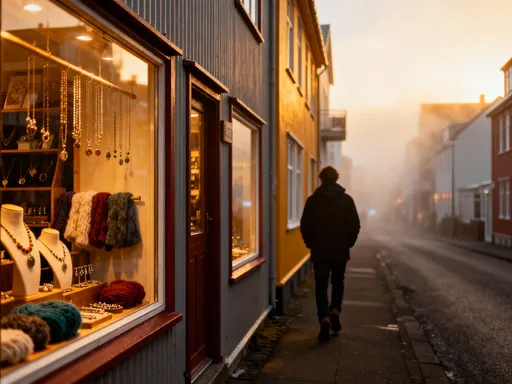
If Helsinki has a creative pulse, it beats strongest in the Design District. Nestled just north of the city center, this cluster of streets — from Uudenmaankatu to Lapinlahti — is a haven for independent designers, ceramicists, textile artists, and furniture makers. Far from the crowded souvenir shops near the harbor, this neighborhood invites exploration at a slower pace. Here, shop windows display hand-dyed scarves, limited-edition prints, and vases shaped with subtle imperfections that celebrate the human touch.
Walking through the Design District feels like stepping into a living catalog of Nordic living. Each boutique tells a story. You’ll find stores specializing in sustainable children’s clothing made from organic cotton, tiny galleries showcasing ceramic artists from rural Finland, and concept shops where every item — from matches to coasters — is thoughtfully designed. The atmosphere is calm, almost reverent. There’s no pushy salesmanship, no loud music — just the quiet hum of creativity and the occasional aroma of freshly roasted coffee from a nearby café.
One of the joys of visiting is the sense of discovery. Pop-up exhibitions appear in former factories, and during Helsinki Design Week each September, studios open their doors to the public. You might stumble upon a jewelry maker demonstrating how she melts recycled silver into delicate necklaces, or a textile artist explaining her use of natural dyes extracted from pine bark and lichen. These moments of connection transform shopping into a meaningful experience — not just about buying, but about understanding.
For visitors, the Design District offers more than products — it offers insight. It reveals a city that takes pride in its creative community, where small-scale production is valued over mass manufacturing. Whether you’re drawn to modernist furniture or hand-stitched leather goods, this neighborhood embodies the soul of Finnish design: thoughtful, functional, and deeply human.
Arabia Quarter & The Legacy of Finnish Ceramics
A short tram ride from the Design District lies the Arabia Quarter, a historic neighborhood where Finnish ceramics came of age. Once home to the Arabia porcelain factory — established in 1873 — this area remains a living monument to one of Finland’s most beloved crafts. The original factory buildings now house design studios, galleries, and the Arabia Design Center, where visitors can trace the evolution of Finnish tableware from the early 20th century to today’s avant-garde pieces.
Arabia’s influence on Finnish homes is impossible to overstate. For generations, Finnish families have gathered around tables set with Arabia dishes — their simple shapes and earthy glazes reflecting the seasons and the landscape. Iconic patterns like “Kilta” and “Ruska” are still in production, their earthy reds and deep greens evoking autumn forests and midsummer meadows. These are not just decorative items; they are part of daily rituals — serving soup, sharing coffee, celebrating holidays.
Today, the Arabia Quarter is a hub for contemporary ceramicists who honor tradition while pushing boundaries. Artists experiment with new forms, glazes, and firing techniques, often blending functionality with sculptural expression. Some create one-of-a-kind pieces for galleries, while others produce small-batch tableware meant for everyday use. What unites them is a reverence for the material and the process — the slow, meditative rhythm of shaping clay by hand.
Visitors can experience this world firsthand. The Design Museum Finland, located in the Arabia complex, offers rotating exhibitions on Finnish design history, including deep dives into ceramic art. During open studio events, you can watch potters at the wheel, ask questions, and even try your hand at throwing clay. For those seeking a unique keepsake, limited-edition pieces from emerging artists make meaningful souvenirs — not mass-produced trinkets, but objects imbued with intention and care.
Local Markets Where Authenticity Thrives
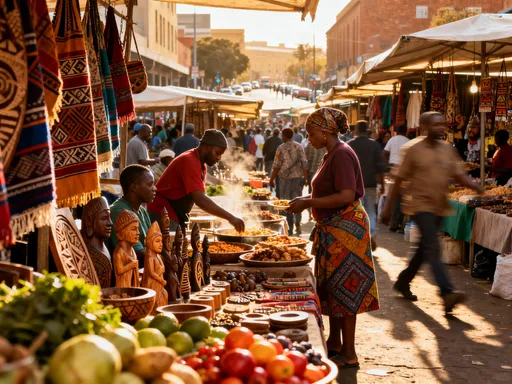
To understand Helsinki’s soul, spend a morning at one of its markets. These are not tourist traps filled with imported trinkets — they are vibrant community spaces where locals shop, chat, and savor seasonal flavors. Two standouts are Hakaniemi Market Hall and the open-air Kauppatori market by the harbor, each offering a sensory journey into Finnish food and craft culture.
Hakaniemi Market Hall, housed in a 1914 brick building, is a treasure trove of specialty goods. Inside, wooden stalls overflow with smoked vendace fish, jars of golden lingonberry jam, and wheels of artisanal cheese. But beyond food, you’ll find vendors selling handmade soaps infused with pine tar, woolen socks knitted in Lapland, and small leather goods crafted in Helsinki workshops. The vendors are often the makers themselves, happy to explain how their products are made or share family recipes. This personal connection transforms shopping into a conversation — a rare and precious experience in an age of online transactions.
Outside, at Kauppatori, the atmosphere is more lively. On weekends, farmers and artisans from across southern Finland set up stalls under striped awnings. You’ll find wild mushroom foragers selling chanterelles in season, bakers offering rye bread with caraway seeds, and crafters displaying hand-embroidered tea towels and birchwood candle holders. The air carries the scent of grilling salmon and cinnamon buns — simple pleasures that define Finnish comfort.
What makes these markets special is their authenticity. Unlike souvenir shops near tourist sites, they reflect real Finnish life. Here, you’ll see mothers buying lunch for their families, retirees browsing for fresh herbs, and artists picking up materials for their next project. By shopping here, travelers don’t just support local economies — they become part of the rhythm of the city. And the items you bring home — a jar of cloudberries, a hand-carved spoon — carry the warmth of these interactions, making them more than objects, but memories in tangible form.
Craftsmanship Beyond the Mainstream: Leather, Glass & Textiles
While ceramics and design dominate Helsinki’s creative reputation, other crafts thrive in quieter corners of the city. Reindeer leather, hand-blown glass, and handwoven textiles represent a deeper layer of Finnish artistry — one rooted in heritage, patience, and respect for materials. These are not mass-produced goods, but labor-intensive creations that often take days or weeks to complete.
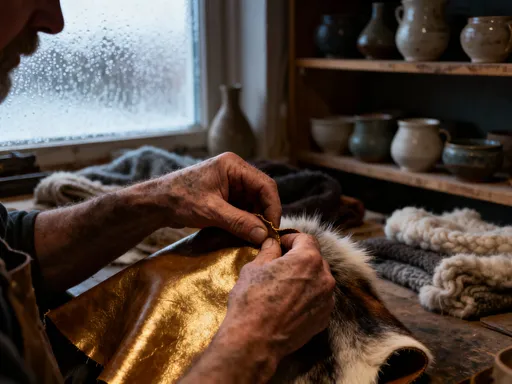
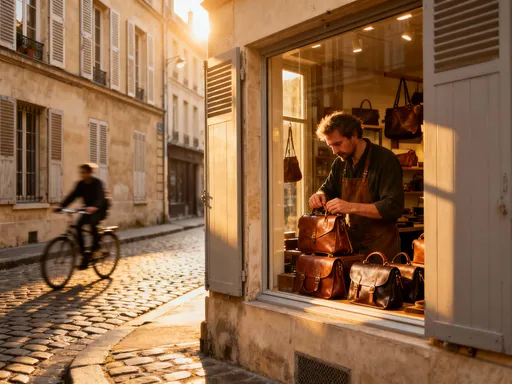
Reindeer leather, sourced from herds in northern Finland, is prized for its softness, durability, and natural texture. Unlike mass-market leather, it is often tanned using vegetable dyes and crafted into small batches of gloves, bags, and belts. Workshops like those in the Kruununhaka district allow visitors to meet artisans who explain the ethical sourcing behind their materials — how the Sámi people manage herds sustainably and use every part of the animal. These pieces are not just luxurious; they are stories of tradition and stewardship.
Equally captivating is Finnish glassmaking. In studios along the coast, glassblowers shape molten glass into vases, bowls, and ornaments using techniques passed down for generations. The results are often inspired by nature — swirling patterns that mimic ice cracks, colors drawn from the Baltic Sea. Some studios offer short workshops where visitors can try blowing glass under supervision — a thrilling, hands-on way to connect with the craft.
Textiles, too, hold a special place in Finnish culture. From handwoven linen table runners to embroidered napkins, these items reflect a domestic artistry often passed from mother to daughter. Cooperatives like Duudsonit and Kudotut Suutari showcase contemporary weavers who blend traditional patterns with modern colors and uses. Their pieces are not museum relics — they are made for today’s homes, designed to be used and loved.
What unites these crafts is their resistance to speed. In a world obsessed with instant gratification, Helsinki’s artisans remind us that beauty takes time. Each stitch, each curve of glass, each cut of leather is a deliberate act — a quiet rebellion against disposability. By seeking out these makers, travelers gain more than souvenirs; they gain perspective.
How to Shop Like a Local — Without Overpaying
Exploring Helsinki’s specialty products doesn’t have to be expensive — especially if you know how to shop like a local. The key is timing, awareness, and a willingness to look beyond the obvious. First, consider visiting during seasonal sales or design events. Helsinki Design Week in September and the Christmas markets in December often feature special promotions, limited editions, and direct access to makers.
When shopping, be mindful of what is truly local. Many stores near tourist areas sell items labeled “Finnish design” that are actually imported from Asia. To spot the difference, look for labels indicating “Made in Finland” or “Handmade in Helsinki.” Ask the vendor about the maker — genuine artisans are proud to share their story. You’ll often find that locally made items have slight imperfections — a wobble in a ceramic rim, a variation in dye — that confirm they were made by hand.
For better value, seek out factory outlets and cooperatives. The Arabia Design Center has a shop where seconds — items with minor flaws — are sold at a discount. Similarly, the Design Museum’s store supports Finnish designers while reinvesting in cultural programs. Cooperatives like Marimekko’s flagship store or the Iittala outlet offer authentic products at fair prices, often with VAT refunds available for non-EU travelers.
Using cash or local currency can also help — some small vendors offer slight discounts for paying in euros. And don’t underestimate the power of a simple question: “Do you have anything from a smaller maker?” Many shop owners are happy to point you toward lesser-known artists or upcoming pop-ups. Shopping like a local isn’t about spending less — it’s about spending meaningfully.
Bringing Helsinki Home: Why These Products Matter
When you return from Helsinki, the items you bring home can do more than decorate a shelf — they can become part of your daily life. A hand-thrown mug becomes the one you reach for every morning. A linen napkin is used at family dinners. A jar of cloudberry jam is saved for special occasions. These objects, made with care and intention, invite mindfulness into routine.
More than that, they carry a deeper message — one of cultural preservation and respect for craft. In choosing authentic Finnish products, you support artisans who keep traditions alive in a rapidly changing world. You contribute to a system that values quality over quantity, sustainability over speed, and human connection over automation. These are not small choices; they are quiet acts of resistance against a culture of waste.
For families, especially, these items can become heirlooms — passed down, used, and cherished. A child might inherit a reindeer leather wallet or a hand-knitted sweater, learning not just about Finnish design, but about the value of making, mending, and caring for things. In this way, travel becomes more than sightseeing — it becomes education, connection, and legacy.
The true value of Helsinki’s hidden gems isn’t in their price tag, but in their story. Each product reflects a philosophy: that life should be lived with intention, that beauty is found in simplicity, and that the handmade has a place in the modern world. By seeking out these authentic experiences, travelers don’t just take home souvenirs — they carry forward a piece of Finland’s soul.
Helsinki’s true magic lies not in its landmarks, but in the quiet details — a hand-thrown mug, a locally woven scarf, a jar of wild berry jam. These specialty products tell stories of heritage, care, and connection. By choosing to discover and support them, travelers don’t just take home souvenirs — they carry forward a piece of Finland’s soul.