You Won’t Believe What I Found in Nantes — Slow Travel Changed Everything
Have you ever walked into a city not to rush, but to feel it? That’s exactly what happened in Nantes. I wandered without a map, let curiosity lead, and discovered shops that felt like secrets whispered from locals. This isn’t shopping — it’s storytelling through handcrafted bags, vintage threads, and family-run boutiques. Slow travel doesn’t just change how you see a place; it changes what you take home. And in Nantes, I took home more than souvenirs.
Why Nantes? The Charm of a City Off the Tourist Radar
Nantes, nestled along the Loire River in western France, is a city that breathes creativity and quiet confidence. Unlike the more frequented destinations such as Paris or Nice, Nantes remains refreshingly under the global spotlight — not overlooked, but rather, thoughtfully preserved. This relative obscurity is precisely what makes it a haven for travelers seeking authenticity over spectacle. The city’s rhythm is measured, its streets lined with pastel-colored buildings and lush green spaces that invite long strolls and lingering conversations. Here, life unfolds at a pace that allows space for reflection, for noticing details — the ivy climbing a stone wall, the sound of a street musician’s accordion drifting through an open window, the scent of fresh bread from a corner boulangerie.
What sets Nantes apart as an ideal destination for slow travel is its seamless blend of history, innovation, and livability. Once known primarily as an industrial port city, Nantes has undergone a remarkable transformation over the past few decades. Factories have given way to art installations, and former shipyards now host immersive cultural experiences like the famed Machines de l’Île — a surreal mechanical zoo where giant animated elephants and sea creatures come to life. Yet, this reinvention hasn’t erased the city’s soul. Instead, it has layered new meaning onto its historic fabric, creating a destination that honors its past while embracing the future with open arms.
The walkability of Nantes enhances its appeal for mindful travelers. The city center is compact, with wide pedestrian boulevards and intimate alleyways that unfold like chapters in a novel. Public transportation is efficient and unobtrusive, but most visitors find they rarely need it. Whether crossing the Île de Nantes via a footbridge or meandering through the medieval streets of the Bouffay district, every step feels intentional. There’s no pressure to “see it all” because there’s no checklist to complete. Instead, the city encourages a different kind of engagement — one rooted in presence, curiosity, and the willingness to be surprised.
Slowing Down: How Taking My Time Revealed Hidden Shopping Gems
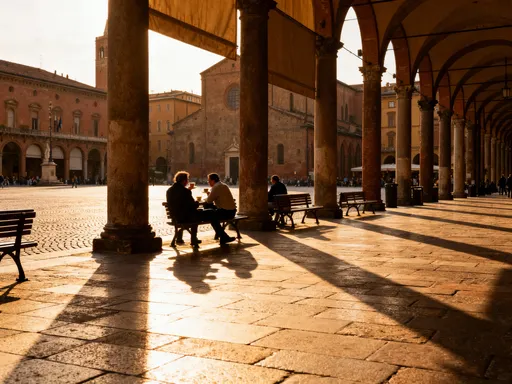
The first morning in Nantes, I made a decision that would shape the entire trip: I would not plan. No timed entries, no curated itineraries, no ticking off landmarks. I would simply walk, observe, and allow the city to reveal itself. That choice led me to a quiet square near the cathedral, where I sat at a small café with a cup of rich, dark coffee. Across the way, an elderly woman arranged hand-thrown ceramics in the window of a tiny shop. Her movements were deliberate, almost ritualistic, as if each bowl and mug held a story she was carefully placing on display. I watched for nearly twenty minutes, mesmerized not just by the objects, but by the act of creation itself.
Eventually, I crossed the street and stepped inside. The shop was no larger than a living room, filled with shelves of pottery glazed in earthy tones — warm ochres, deep blues, and soft greens that seemed to capture the light of the Loire Valley. The woman, whose name was Claudine, greeted me with a gentle smile and spoke in French with a soft regional lilt. Though my language skills are modest, we managed a conversation — about clay, about firing techniques, about how she’d apprenticed under a master potter in her twenties. I left with a small bowl, yes, but more importantly, I left with a connection. That moment would never have happened if I’d been rushing to the next attraction, eyes glued to a map.
This experience became a pattern throughout my stay. By slowing down, I became more attuned to the subtle cues of local life — the way a shopkeeper rearranged window displays in the late afternoon, the rhythm of deliveries at the market, the hushed conversations between artisans in shared workspaces. These details are invisible to the hurried traveler, but for those who linger, they form a rich tapestry of meaning. Shopping ceased to be a transaction and became a form of cultural immersion. Each purchase carried with it not just an object, but a memory, a face, a name.
From Market Stalls to Ateliers: The Soul of Nantes’ Shopping Scene
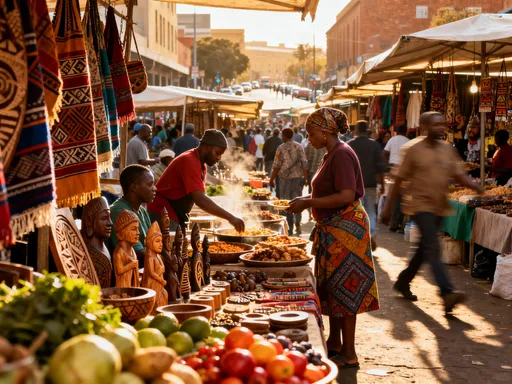
The shopping culture in Nantes is deeply rooted in locality and craftsmanship. It’s a city where the line between producer and seller often blurs, and where consumers are encouraged to know the origins of what they buy. This ethos is most visible in places like the Marché de Talensac, a covered market that has served the city for over a century. Stepping inside is like entering a living museum of regional abundance. Butchers display cuts of pork and beef from nearby farms, their labels proudly noting the name of the producer and the village of origin. Cheese vendors offer samples of goat cheese dusted with herbs, explaining the aging process with quiet pride. The fishmonger arranges sea bream and mussels on beds of ice, their catch sourced daily from the Atlantic coast just two hours away.
Yet Nantes’ shopping landscape extends far beyond traditional markets. Throughout the city, especially in neighborhoods like the Bouffay and the Île Feydeau, small ateliers and studios thrive. These are not boutique chains or franchised concepts, but independent spaces where artisans design, produce, and sell their work under one roof. A seamstress might create limited-run garments from organic linen, while a jeweler down the street hand-forges rings using recycled silver. The emphasis is on sustainability, quality, and individuality — values that resonate deeply with travelers seeking meaningful alternatives to mass-produced souvenirs.
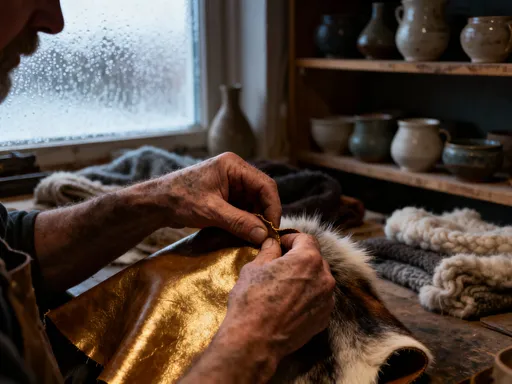
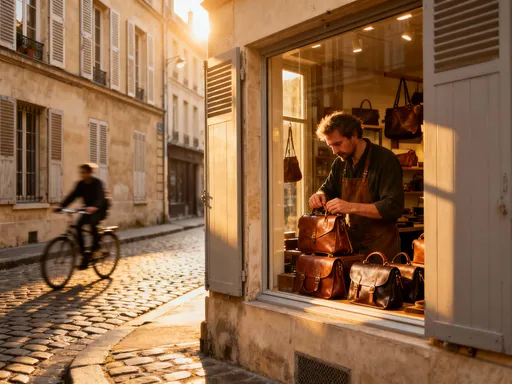
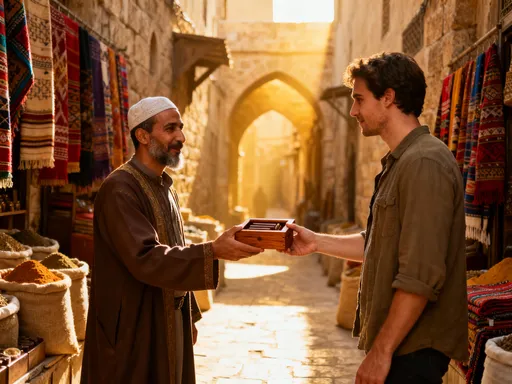
What’s striking is how many of these shop owners welcome conversation. They don’t treat customers as transactions but as guests. In one leather workshop, I watched a craftsman stitch a bag by hand, his tools laid out like instruments. When I asked about the tanning process, he explained how the hides were vegetable-dyed, free of harsh chemicals, and sourced from local tanneries committed to ethical practices. His pride was palpable, and it made the final product feel sacred. This transparency — this willingness to share the story behind the object — transforms shopping into something more profound: a form of cultural exchange.
The Bouffay District: Where Every Store Feels Like a Discovery
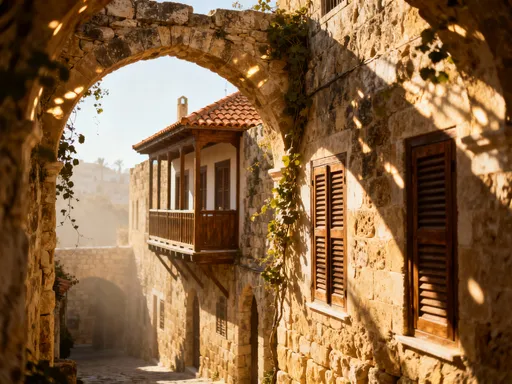
If Nantes has a heart, it beats in the Bouffay district. This historic neighborhood, with its narrow cobblestone streets and half-timbered houses, feels like a portal to another era. Once the medieval core of the city, Bouffay has evolved into a vibrant hub of independent commerce and creative expression. It’s the kind of place where you can spend an entire afternoon without realizing how much time has passed, lured from one doorway to the next by the promise of discovery.
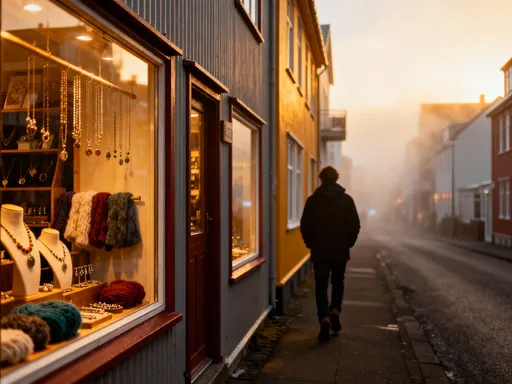
Each store in Bouffay carries its own distinct personality. There’s a vintage clothing shop tucked into a centuries-old building, its window filled with 1970s coats and silk scarves that seem to whisper stories of past wearers. Inside, the air carries the faint scent of lavender and old fabric, and the owner, a woman with silver-streaked hair and a kind demeanor, offers tea while you browse. Around the corner, a ceramicist displays her work in a former apothecary shop, the old wooden drawers now holding delicate cups and saucers glazed in soft, dreamlike patterns. A few doors down, an independent bookstore specializes in regional literature and rare prints, its shelves so tightly packed that you have to step carefully to avoid knocking a volume loose.
What makes Bouffay so special is not just the quality of its shops, but the way they coexist in harmony. There’s no sense of commercial competition; instead, there’s a quiet solidarity among the owners, many of whom know each other by name and exchange greetings across the street each morning. The district feels curated not by algorithms or market trends, but by passion and personal taste. Even the perfumerie on Rue du Château, which creates custom scents using locally foraged botanicals, fits seamlessly into this ecosystem. The scent of rosemary, sea salt, and damp stone lingers in the air — a fragrance that, once experienced, becomes inseparable from the memory of the place.
Craftsmanship You Can Hold: Meeting Makers Behind the Products
One of the most transformative aspects of slow travel is the opportunity to meet the people behind the products. In Nantes, this is not a curated tourist experience but an organic part of daily life. During my stay, I visited a small leather workshop on Rue des Hauts Pavés, where a man named Julien has been crafting bags, wallets, and belts for over twenty years. His workspace is modest — a single room with a long wooden table, shelves of tools, and rolls of buttery-soft leather stacked against the wall. He works alone, without assistants, and each piece takes days to complete.
Julien invited me to sit and watch as he worked on a tote bag, his hands moving with the precision of a surgeon. He explained how he sources his leather from a tannery in the south of France, how he cuts each piece by hand, and how he chooses stitching patterns based on both function and beauty. When I asked why he doesn’t expand, why he doesn’t hire more people or open a larger store, he smiled and said, “Because then it wouldn’t be mine.” That moment stayed with me — a quiet affirmation of values in a world that often equates success with scale.
Later that week, I met a shoemaker in the Île Feydeau who creates custom footwear using traditional techniques passed down through generations. I was invited to try on a pair of half-finished oxfords, feeling the way the leather molded to my foot. The process, from measurement to final polish, takes six weeks. There’s no rush, no compromise. These encounters — with Julien, with the shoemaker, with Claudine the potter — elevated my understanding of what it means to own something. A mass-produced item carries utility, but a handcrafted one carries intention. It bears the imprint of time, skill, and care. And when you carry it home, you’re not just bringing back an object — you’re carrying a piece of a person’s life.
Markets as Living Rooms: Experiencing Nantes Through Its Weekly Markets
In Nantes, markets are not just places to buy food — they are social centers, community hubs, and living expressions of local identity. The Marché de Talensac operates daily, but the true magic happens on weekends, when neighborhood farmers' markets spring up in squares and parks across the city. These are not tourist spectacles but genuine gatherings of residents who come to shop, chat, and share news. The atmosphere is warm, unhurried, and deeply human.
I spent one Saturday morning at a market in the Malakoff district, where vendors sold everything from heirloom tomatoes to handmade soaps infused with lavender and honey. A woman offered samples of cider pressed from apples grown in her family’s orchard. Another sold rillettes made according to a recipe unchanged since the 1940s. Children ran between stalls, chasing each other with paper cones of roasted chestnuts. An elderly couple debated the merits of two types of cheese while the vendor listened with amusement, offering additional samples to settle the debate.
Shopping here felt nothing like the sterile efficiency of a supermarket. It was tactile, sensory, and deeply personal. I bought a small jar of honey simply because the beekeeper explained how his hives were placed near wild thyme fields, giving the honey a faint herbal note. I didn’t need the honey — but I wanted the story. These markets are where the philosophy of slow living comes alive. They remind us that food is not just fuel, but a connection to land, to season, to community. And in a world that increasingly prioritizes speed and convenience, that connection is more valuable than ever.
Bringing It All Home: How Slow Shopping Changed My Travel Mindset
When I returned from Nantes, I unpacked my suitcase with a sense of reverence. Among the clothes and guidebooks was a collection of objects — a ceramic bowl, a leather wallet, a jar of honey, a vintage scarf. Each one carried a memory, a face, a conversation. These were not souvenirs in the traditional sense, bought on impulse at an airport kiosk. They were intentional choices, born from moments of presence and connection. And in owning them, I felt a deeper responsibility — not just to care for the objects, but to honor the stories behind them.
This shift in mindset has stayed with me. I no longer see travel as a race to accumulate experiences, but as an invitation to deepen them. Slow shopping — the practice of engaging mindfully with local commerce — has become a cornerstone of how I explore the world. It has taught me to look beyond the surface, to listen, to ask questions, to linger. It has shown me that the most meaningful souvenirs are not the ones that fit in a suitcase, but the ones that change how you see.
To travelers seeking a more authentic way to connect with a place, I offer this: let your purchases tell a story. Choose the item made by hand over the one made by machine. Speak to the person behind the counter. Learn their name. Ask about their craft. Let the journey unfold at its own pace. In doing so, you won’t just take something home — you’ll bring a piece of the world back with you, not as a trophy, but as a testament to the beauty of human connection.